
The Truth About Arterial Plaque, Heart Disease and Natural Healing
Introduction
If you've been diagnosed with atherosclerosis, you've probably been told that it's a progressive condition that will gradually worsen over time.
You may have been prescribed medication to lower your cholesterol, reduce your blood pressure, or prevent blood clots. While these treatments can play an important role in managing cardiovascular disease, many people are left asking an important question:
Can atherosclerosis be reversed naturally?
The answer may surprise you.
For decades, the conventional view has been that plaque build-up inside the arteries is largely irreversible. However, a growing body of research and countless real-world success stories suggest that the body may have a much greater capacity for repair than many people realise.
Your arteries are not made of concrete. They are living tissues that are constantly adapting, repairing, and responding to the environment you create through your diet and lifestyle.
This means that the choices you make every day can have a profound impact on your cardiovascular health.
If you're willing to address the root causes of atherosclerosis, you may be able to significantly improve your arterial health, reduce inflammation, improve circulation, and create the conditions your body needs to begin healing.
In this article, you'll discover:
What atherosclerosis really is
Why arterial plaque develops
The role inflammation plays in heart disease
Whether atherosclerosis can be reversed naturally
The foods that may be damaging your arteries
The dietary approach that supports arterial health
Practical steps you can take starting today
Let's begin.
What Is Atherosclerosis?
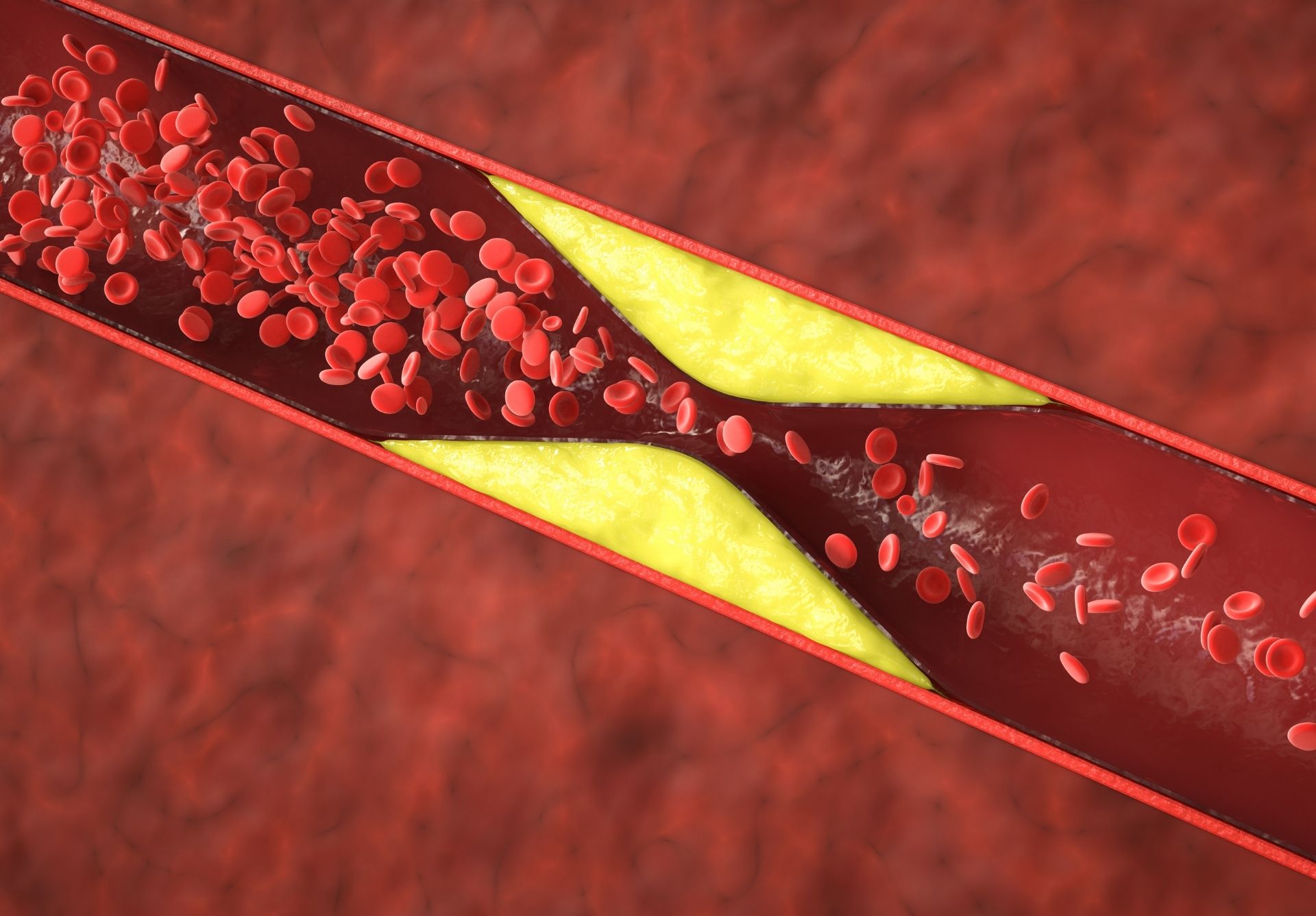
Atherosclerosis is a condition in which plaque builds up inside the arteries.
This plaque is made up of a combination of:
Cholesterol
Calcium
Inflammatory cells
Fatty deposits
Cellular waste products
Over time, plaque can narrow the arteries and restrict blood flow.
This can increase the risk of:
Heart attack
Stroke
Peripheral artery disease
Poor circulation
Erectile dysfunction
High blood pressure
One of the most dangerous aspects of atherosclerosis is that it often develops silently.
Many people experience no symptoms for years or even decades until a serious cardiovascular event occurs.
This is why addressing the root causes as early as possible is so important.
The Conventional View of Atherosclerosis
Most people are taught that atherosclerosis is simply a cholesterol problem.
The common narrative goes something like this:
"High cholesterol causes plaque build-up. Therefore lowering cholesterol is the solution."
While cholesterol is certainly involved in the process, this explanation is incomplete.
In reality, atherosclerosis is a complex inflammatory condition.
Many experts now recognise that inflammation, insulin resistance, oxidative stress, and metabolic dysfunction all play major roles in the development of arterial disease.
Simply focusing on cholesterol numbers without addressing these underlying drivers may leave a significant part of the problem unresolved.
To understand how healing may occur, we first need to understand what causes the damage in the first place.
The Real Root Cause: Chronic Inflammation
Inflammation is your body's natural healing response.
When you cut your finger, inflammation helps repair the damage.
The problem arises when inflammation becomes chronic.
Instead of helping you heal, chronic inflammation begins to damage healthy tissues.
The inner lining of your arteries, known as the endothelium, is particularly vulnerable.
When this lining becomes damaged, the body initiates a repair response.
Inflammatory cells are recruited to the area.
Cholesterol is transported to the site.
Plaque begins to form.
Over time, repeated damage and repeated repair attempts can lead to significant plaque accumulation.
The critical question therefore becomes:
What is causing the inflammation?
How Modern Diets Damage Arteries
Modern diets are dramatically different from the foods humans consumed throughout most of our evolutionary history.
Today's average diet is dominated by:
Sugar
Refined carbohydrates
Ultra-processed foods
Artificial ingredients
Industrial seed oils
Sweetened beverages
These foods can contribute to:
Blood sugar instability
Insulin resistance
Weight gain
Chronic inflammation
Oxidative stress
All of these factors are associated with an increased risk of atherosclerosis.
Many people focus exclusively on cholesterol while overlooking the daily dietary habits that may be driving inflammation and arterial damage.
The truth is that every meal either contributes to better health or creates additional stress for the body.
The Blood Sugar Connection
One of the most overlooked aspects of cardiovascular disease is blood sugar control.
Every time blood sugar spikes dramatically, damage can occur throughout the body.
Repeated blood sugar spikes can contribute to:
Inflammation
Oxidative stress
Endothelial damage
Insulin resistance
These processes are strongly linked with the development of atherosclerosis.
This helps explain why type 2 diabetes and cardiovascular disease are so closely connected.
When blood sugar remains elevated for years, the arteries are exposed to ongoing damage.
Reducing these spikes is one of the most powerful steps many people can take to support arterial health.
Can The Body Repair Arterial Damage?
This is where things become interesting.
Your body is constantly repairing itself.
Every day:
Cells are replaced
Tissues are rebuilt
Damage is repaired
Inflammation is regulated
The cardiovascular system is no exception.
Research has demonstrated that the body can remodel arterial tissue.
Plaque can become more stable.
Inflammation can be reduced.
Endothelial function can improve.
Blood flow can increase.
This doesn't necessarily mean every case of advanced atherosclerosis can be completely reversed.
However, it does mean that the progression of the disease is not always inevitable.
The body has a remarkable capacity for healing when the factors causing damage are removed.
Why Many People Never Improve
Many individuals continue following the same dietary habits that contributed to the development of atherosclerosis.
They may:
Continue consuming large amounts of sugar
Eat highly processed foods daily
Rely heavily on refined carbohydrates
Consume inflammatory oils
Lead sedentary lifestyles
Then they wonder why their cardiovascular health continues to decline.
You cannot expect the body to heal while simultaneously exposing it to the factors causing the injury.
Healing begins when you remove the obstacles preventing it.
The Dietary Approach That Supports Healing
In my experience, the most successful dietary approaches for improving cardiovascular health share several key principles.
They focus on:
Eliminating processed foods
Removing added sugars
Minimising refined carbohydrates
Reducing inflammatory seed oils
Prioritising nutrient-dense whole foods
Increasing high-quality protein intake
Supporting metabolic health
Stabilising blood sugar
When people make these changes, they often experience improvements in:
Weight management
Energy levels
Blood sugar control
Inflammatory markers
Blood pressure
Cardiovascular risk factors
These improvements create an environment where the body can focus on repair rather than constantly fighting new damage.
Conclusion
So, can atherosclerosis be reversed naturally?
The honest answer is that every individual is different.
However, what is clear is that atherosclerosis is not necessarily the one-way journey many people have been led to believe.
The body possesses extraordinary healing capabilities.
When you remove the dietary and lifestyle factors driving chronic inflammation, you give your body the opportunity to repair, restore, and improve arterial health.
The earlier you take action, the greater the opportunity for positive change.
Your arteries are living tissues.
They are responding right now to the choices you make every day.
The question is:
Will those choices move you towards disease, or towards healing?

0 Comments