
Which Foods Should You Avoid If You Have Atherosclerosis?
The Complete Guide To Removing The Foods That May Be Damaging Your Arteries
If you've been diagnosed with atherosclerosis, one of the most important questions you can ask is:
Which foods should I avoid if I have atherosclerosis?
The answer could have a significant impact on your future health.
Most people are told that atherosclerosis is simply a cholesterol problem. They are often prescribed medication and advised to reduce their risk factors. While medication can play an important role, many people are never told that the food they eat every day may have a profound influence on the health of their arteries.
Atherosclerosis is increasingly recognised as a condition involving inflammation, blood sugar dysregulation, insulin resistance, oxidative stress and metabolic dysfunction.
This means that the foods you eat may either contribute to these processes or help reduce them.
Your arteries are not dead pipes. They are living tissues that continuously respond to your environment. Every meal you eat creates either a more favourable environment for healing or a more favourable environment for disease progression.
The encouraging news is that many people experience significant improvements in their health when they remove the foods that contribute to inflammation and begin focusing on nutrient-dense whole foods.
In this guide, we'll explore the foods that may be contributing to atherosclerosis and the dietary changes that may help support healthier arteries.
Why Diet Matters In Atherosclerosis
Before discussing specific foods, it is important to understand why diet matters so much.
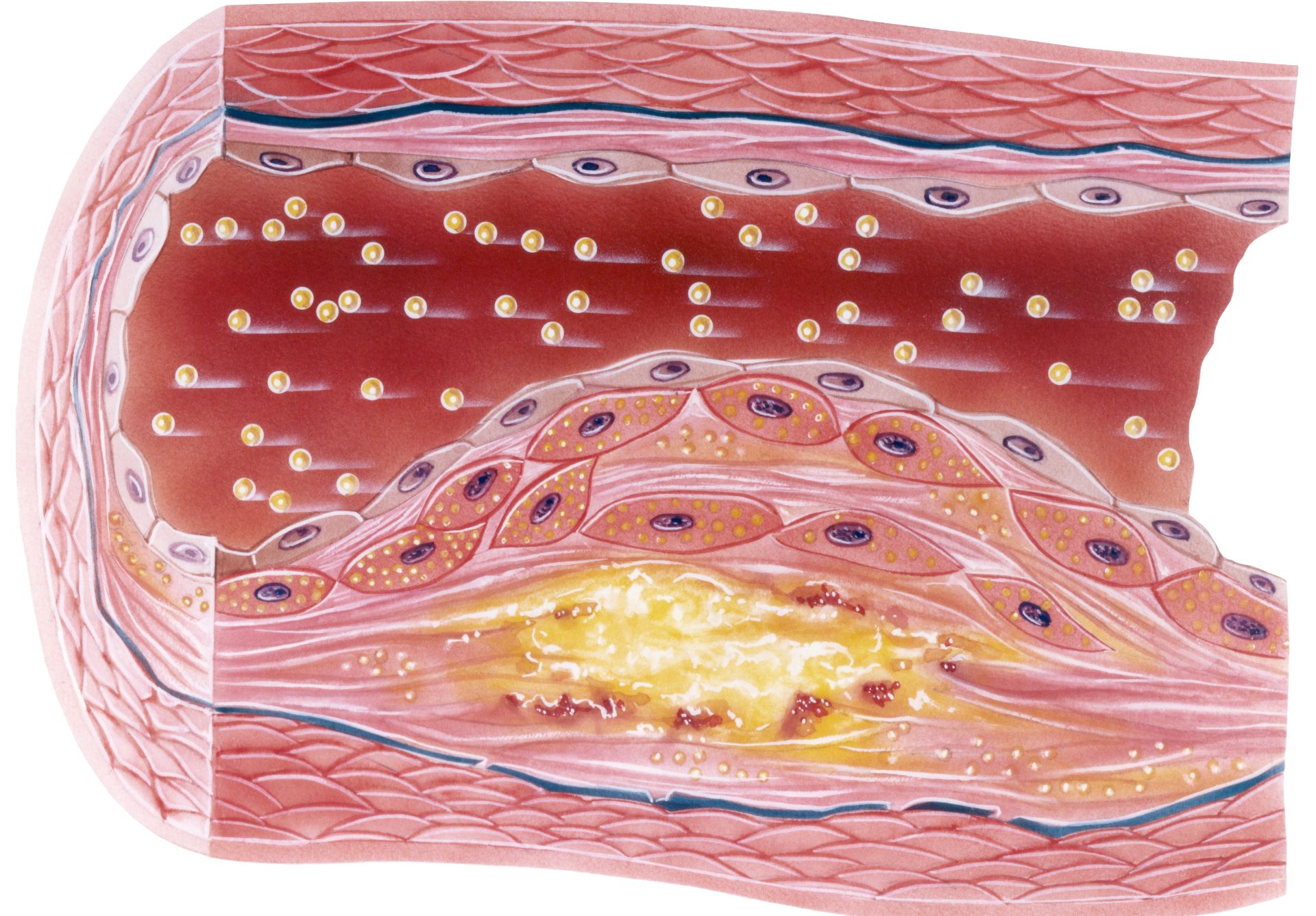
The inner lining of your arteries is known as the endothelium.
This delicate tissue plays a critical role in cardiovascular health.
When the endothelium becomes damaged, inflammation increases and plaque formation may begin.
Several factors can contribute to endothelial damage:
- High blood sugar
- Chronic inflammation
- Smoking
- Insulin resistance
- Obesity
- Poor nutrition
- Oxidative stress
Many of these factors are heavily influenced by diet.
Therefore, one of the most powerful ways to support arterial health is to remove the foods that contribute to these problems.
Food To Avoid #1: Sugar
If there is one dietary component that deserves special attention, it is sugar.
Modern diets contain unprecedented amounts of added sugar.
Many people consume sugar throughout the day without even realising it.
Sugar can be found in:
- Breakfast cereals
- Yoghurts
- Protein bars
- Soft drinks
- Fruit juices
- Sauces
- Desserts
- Sweets
- Confectionery
Excess sugar consumption may contribute to:
- Insulin resistance
- Weight gain
- Inflammation
- Blood sugar instability
- Metabolic dysfunction
These factors are strongly associated with atherosclerosis and cardiovascular disease.
Many people experience dramatic health improvements when they eliminate added sugar from their diet.
Food To Avoid #2: Sugary Drinks
Liquid sugar may be even more problematic than solid sugar.
Soft drinks, energy drinks and fruit juices are rapidly absorbed into the bloodstream.
This often leads to significant spikes in blood sugar and insulin.
Common examples include:
- Cola
- Energy drinks
- Sports drinks
- Sweetened coffees
- Sweetened teas
- Fruit juices
Many people consume hundreds of calories each day through drinks without feeling full.
This can contribute to weight gain and poor metabolic health.
Food To Avoid #3: Refined Carbohydrates
Many people focus solely on sugar while overlooking refined carbohydrates.
However, refined carbohydrates are rapidly broken down into glucose.
This means they can affect blood sugar in a very similar way.
Examples include:
- White bread
- White rice
- Pasta
- Bagels
- Pastries
- Crackers
- Pizza dough
Frequent consumption of refined carbohydrates can contribute to repeated blood sugar spikes and increased insulin production.
Over time, this may contribute to many of the processes associated with atherosclerosis.
Food To Avoid #4: Breakfast Cereals
Many breakfast cereals are marketed as healthy.
Unfortunately, many are little more than processed grains combined with sugar.
Starting the day with a bowl of cereal often creates a significant blood sugar spike followed by a drop in energy later in the morning.
This pattern can promote hunger, cravings and poor metabolic health.
For individuals seeking to improve atherosclerosis naturally, breakfast cereals are often one of the first foods removed.
Food To Avoid #5: Ultra-Processed Foods
Ultra-processed foods have become a staple of modern life.
These products are designed to be convenient, inexpensive and highly palatable.
Examples include:
- Ready meals
- Fast food
- Frozen convenience foods
- Processed snacks
- Microwave meals
- Packaged desserts
These foods often contain multiple ingredients that may contribute to poor health, including refined carbohydrates, sugar and industrial oils.
Many people report significant improvements in energy, digestion and overall wellbeing after eliminating ultra-processed foods.
Food To Avoid #6: Industrial Seed Oils
Industrial seed oils have become increasingly common in the modern food supply.
Examples include:
- Soybean oil
- Sunflower oil
- Rapeseed oil
- Corn oil
- Cottonseed oil
These oils are commonly found in:
- Takeaway food
- Restaurant meals
- Processed snacks
- Dressings
- Mayonnaise
- Packaged products
Many health practitioners recommend minimising highly processed oils and focusing instead on natural whole-food sources of fat.
Food To Avoid #7: Frequent Snacking
It is not only what you eat that matters.
How often you eat matters too.
Many people spend the entire day eating and snacking.
This means insulin remains elevated for long periods.
Allowing your body regular periods between meals may help improve blood sugar regulation and metabolic health.
The Connection Between Inflammation And Atherosclerosis
Inflammation plays a central role in the development of atherosclerosis.
When inflammation remains elevated for years, the arteries are exposed to ongoing stress and damage.
The body responds by initiating repair processes.
Over time, these repair processes can contribute to plaque accumulation.
Reducing inflammatory foods may therefore be one of the most important steps you can take to support healthier arteries.
Foods To Focus On Instead
Once harmful foods are removed, the next step is to focus on foods that provide the nutrients your body needs to repair and function optimally.
Examples include:
- Beef
- Lamb
- Eggs
- Fish
- Poultry
- Natural fats
- Whole-food protein sources
These foods provide:
- Protein
- Essential amino acids
- Vitamins
- Minerals
- Healthy fats
The body requires these nutrients to maintain healthy tissues and support recovery.
Can Avoiding These Foods Help Reverse Atherosclerosis?
Every individual is different.
However, many people are surprised to discover how much better they feel when they stop consuming foods that contribute to inflammation and blood sugar instability.
The body possesses remarkable healing abilities.
When you remove the factors driving ongoing damage, you create an environment that supports repair.
Many people experience improvements in:
- Blood pressure
- Weight management
- Blood sugar control
- Inflammatory markers
- Energy levels
- Cardiovascular risk factors
The earlier these changes are made, the greater the opportunity for improvement.
Frequently Asked Questions
Is sugar bad for atherosclerosis?
Excess sugar consumption may contribute to inflammation, insulin resistance and poor metabolic health, all of which are associated with atherosclerosis.
Are refined carbohydrates harmful for arterial health?
Refined carbohydrates can cause rapid blood sugar spikes and may contribute to the metabolic dysfunction associated with cardiovascular disease.
Should I avoid processed foods if I have atherosclerosis?
Many processed foods contain sugar, refined carbohydrates and industrial oils, making them a common target for elimination.
Can diet improve arterial health?
Diet is one of the most powerful factors influencing cardiovascular health and may help create the conditions needed for better arterial function.
Final Thoughts
If you have atherosclerosis, one of the most powerful things you can do is remove the foods that may be contributing to inflammation and metabolic dysfunction.
Sugar, refined carbohydrates, ultra-processed foods, sugary drinks and industrial seed oils have become staples of the modern diet, yet they may be contributing to the very problems many people are trying to solve.
Your body has an extraordinary capacity for repair.
When you stop feeding the disease and start nourishing your body with nutrient-dense foods, you create an environment that supports healthier arteries, improved circulation and better cardiovascular health.
The question is not whether your diet matters.
The question is whether you are ready to start making choices that give your body the opportunity to heal.

0 Comments