
How Can You Improve Arterial Health Naturally?
The Complete Guide To Supporting Healthy Arteries Naturally
If you've been diagnosed with atherosclerosis, one of the most important questions you can ask is:
How can you improve arterial health naturally?
It's a question millions of people are asking as cardiovascular disease continues to be one of the leading causes of illness and death worldwide.
Many people are told that atherosclerosis is simply an unavoidable consequence of ageing. Others are told that medication is their only option.
While medication can certainly play an important role for many individuals, there is increasing recognition that diet and lifestyle have a profound influence on the health of your arteries.
Your arteries are living tissues.
They are constantly adapting, repairing and responding to the environment created by your daily choices.
Every meal you eat, every hour of sleep you get, every step you take and every lifestyle decision you make either supports healthy arteries or contributes to the processes that can damage them.
The encouraging news is that the human body possesses remarkable healing abilities.
When you remove the factors contributing to inflammation and metabolic dysfunction, you create conditions that support repair, recovery and healthier arteries.
This article explores the most effective natural strategies for improving arterial health and reducing the factors associated with atherosclerosis.
Understanding Arterial Health
Your arteries are responsible for transporting oxygen-rich blood throughout your body.
Healthy arteries are flexible, strong and capable of expanding and contracting as needed.
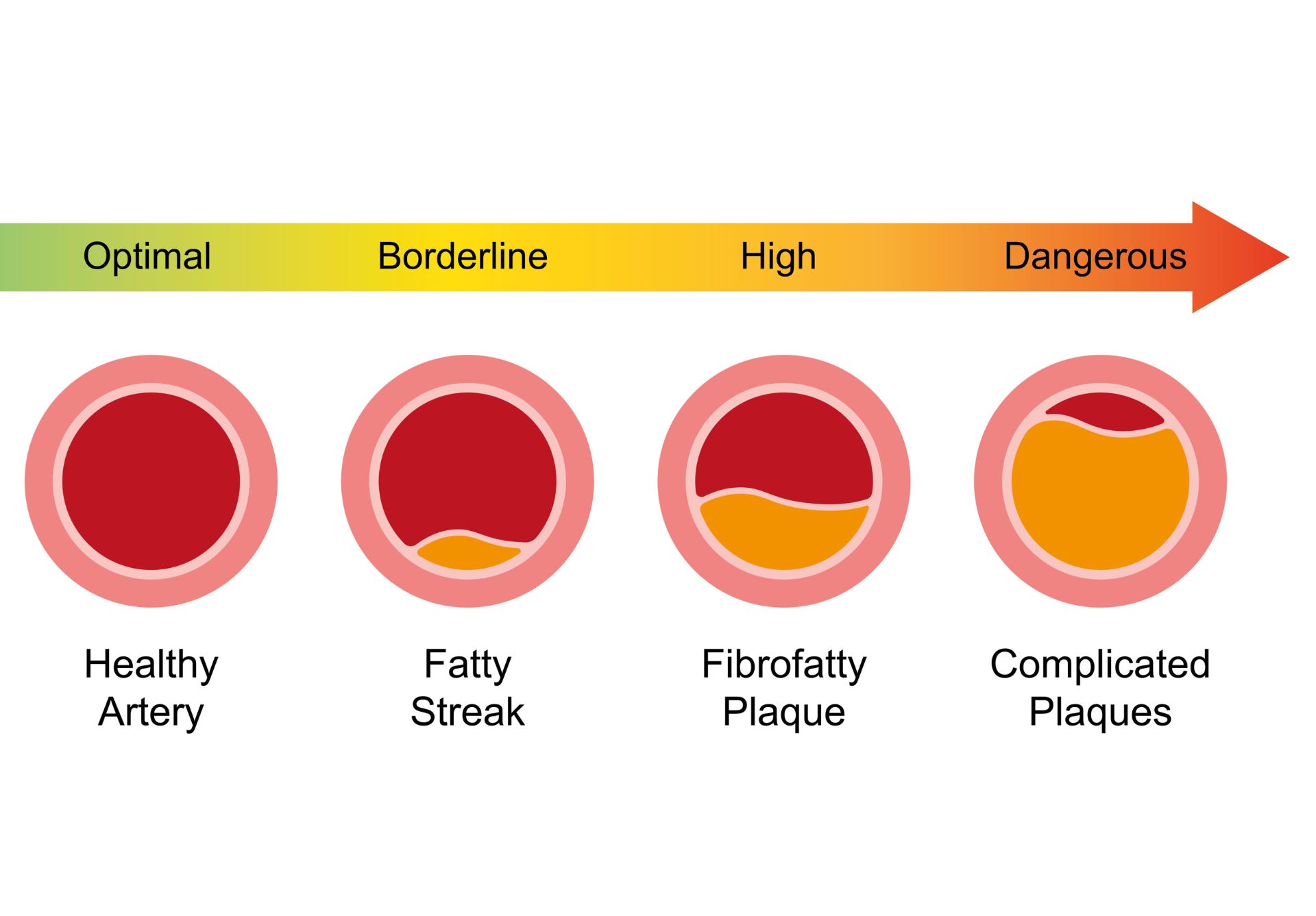
Problems begin when the arterial wall becomes damaged.
Over time, inflammation and repair processes may contribute to plaque formation.
This process is known as atherosclerosis.
As plaque accumulates, blood flow may become restricted, increasing the risk of:
- Heart attack
- Stroke
- Peripheral artery disease
- Poor circulation
- Cardiovascular disease
The goal of improving arterial health is therefore to reduce the factors causing damage while supporting the body's natural repair mechanisms.
Step 1: Eliminate Added Sugar
If there is one dietary change that can transform health, it is reducing or eliminating added sugar.
Modern diets contain unprecedented levels of sugar.
It is found in:
- Soft drinks
- Breakfast cereals
- Yoghurts
- Snack bars
- Desserts
- Sauces
- Processed foods
Excess sugar consumption contributes to:
- Inflammation
- Insulin resistance
- Weight gain
- Blood sugar instability
- Metabolic dysfunction
All of these factors are associated with atherosclerosis.
Many people notice significant improvements in their health simply by eliminating added sugar.
Step 2: Remove Refined Carbohydrates
Many people remove sugar but continue consuming large amounts of refined carbohydrates.
Unfortunately, foods such as white bread, pasta and pastries are rapidly converted into glucose.
Common examples include:
- White bread
- Pasta
- Pastries
- Bagels
- Crackers
- Breakfast cereals
These foods often create significant blood sugar spikes.
Reducing refined carbohydrates is one of the most effective ways to support better metabolic health.
Step 3: Eliminate Ultra-Processed Foods
Ultra-processed foods are among the most significant problems in modern nutrition.
Examples include:
- Ready meals
- Fast food
- Frozen convenience foods
- Processed snacks
- Microwave meals
These foods often contain multiple ingredients associated with poor health, including:
- Sugar
- Refined grains
- Industrial oils
- Artificial additives
The simplest rule is this:
If it comes in a packet and contains a long list of ingredients, it is probably not helping your arteries.
Step 4: Reduce Industrial Seed Oils
Industrial seed oils have become a major part of the modern food supply.
These include:
- Soybean oil
- Sunflower oil
- Rapeseed oil
- Corn oil
- Cottonseed oil
These oils are frequently found in processed foods and restaurant meals.
Many practitioners focused on cardiovascular health recommend reducing exposure to heavily processed oils and prioritising whole-food sources of nutrition.
Step 5: Prioritise Nutrient-Dense Foods
Removing harmful foods is only half the solution.
The body also requires nutrients to repair itself.
Nutrient-dense foods provide:
- Protein
- Essential amino acids
- Vitamins
- Minerals
- Healthy fats
Many of the most nutrient-dense foods available include:
- Beef
- Lamb
- Eggs
- Fish
- Poultry
- Natural fats
These foods provide the building blocks needed for repair and recovery throughout the body.
Step 6: Improve Blood Sugar Control
Blood sugar management is one of the most overlooked aspects of cardiovascular health.
Every time blood sugar rises sharply, oxidative stress increases.
Over many years, repeated spikes may contribute to:
- Inflammation
- Insulin resistance
- Arterial damage
Stable blood sugar is one of the foundations of healthy arteries.
Step 7: Maintain A Healthy Weight
Excess body fat is associated with increased inflammation and poorer cardiovascular health.
Particularly concerning is visceral fat, which accumulates around internal organs.
Reducing excess body fat often improves:
- Blood pressure
- Insulin sensitivity
- Inflammation
- Cardiovascular risk factors
Many people find that weight management becomes easier when they eliminate sugar and ultra-processed foods.
Step 8: Move Your Body Daily
Exercise remains one of the most effective ways to improve cardiovascular health.
Regular movement supports:
- Blood circulation
- Insulin sensitivity
- Heart health
- Weight management
- Stress reduction
You do not need to become an athlete.
Walking consistently every day can produce meaningful improvements.
Step 9: Improve Sleep Quality
Sleep is often ignored when discussing cardiovascular health.
However, sleep is when much of the body's repair and recovery takes place.
Poor sleep is associated with:
- Inflammation
- Weight gain
- Insulin resistance
- Higher cardiovascular risk
Improving sleep quality may therefore help support healthier arteries.
Step 10: Manage Stress
Chronic stress places significant strain on the body.
Long-term stress may contribute to:
- Elevated blood pressure
- Inflammation
- Poor sleep
- Hormonal imbalance
Finding effective ways to manage stress can have a positive impact on overall cardiovascular health.
Why Inflammation Matters So Much
Many experts now believe inflammation is one of the primary drivers of atherosclerosis.
Inflammation damages the inner lining of the arteries.
The body responds by initiating repair processes.
Over time, repeated cycles of damage and repair may contribute to plaque formation.
Reducing inflammation therefore becomes one of the most important goals when trying to improve arterial health naturally.
Can Arteries Heal?
This is one of the most common questions people ask.
Your arteries are living tissues.
They constantly adapt and respond to their environment.
While every individual is different, many people experience significant improvements in cardiovascular risk factors when they improve their diet and lifestyle.
The body has an extraordinary capacity for repair when given the right conditions.
The earlier changes are made, the greater the opportunity for improvement.
Common Mistakes People Make
Many people attempt to improve arterial health while continuing to consume the foods contributing to the problem.
Common mistakes include:
- Continuing to consume sugar
- Relying on processed foods
- Ignoring blood sugar control
- Being sedentary
- Neglecting sleep
- Ignoring chronic stress
Addressing these issues often produces far greater results than focusing on individual supplements.
Frequently Asked Questions
Can arterial health improve naturally?
Many people improve cardiovascular risk factors through dietary and lifestyle changes that reduce inflammation and improve metabolic health.
What is the best diet for arterial health?
A diet focused on nutrient-dense whole foods while eliminating sugar, refined carbohydrates and ultra-processed foods is often recommended.
Does inflammation damage arteries?
Chronic inflammation is increasingly recognised as a major contributor to arterial damage and atherosclerosis.
Can blood sugar affect arterial health?
Elevated blood sugar and insulin resistance are strongly associated with cardiovascular disease and atherosclerosis.
Final Thoughts
If you want to improve arterial health naturally, the most important step is addressing the root causes of damage.
Reducing sugar, refined carbohydrates, ultra-processed foods and inflammatory ingredients while focusing on nutrient-dense whole foods creates an environment that supports healthier arteries.
Your body is constantly attempting to repair itself.
The choices you make every day either support that process or work against it.
The good news is that many of the factors associated with atherosclerosis are within your control.
By making consistent improvements to your diet and lifestyle, you can support healthier arteries, better circulation and improved cardiovascular health for years to come.

0 Comments